
2026-10-24 · Michael 'Mike' Chen
What To Do After Heavy Rain Floods Basements In Newark Delaware
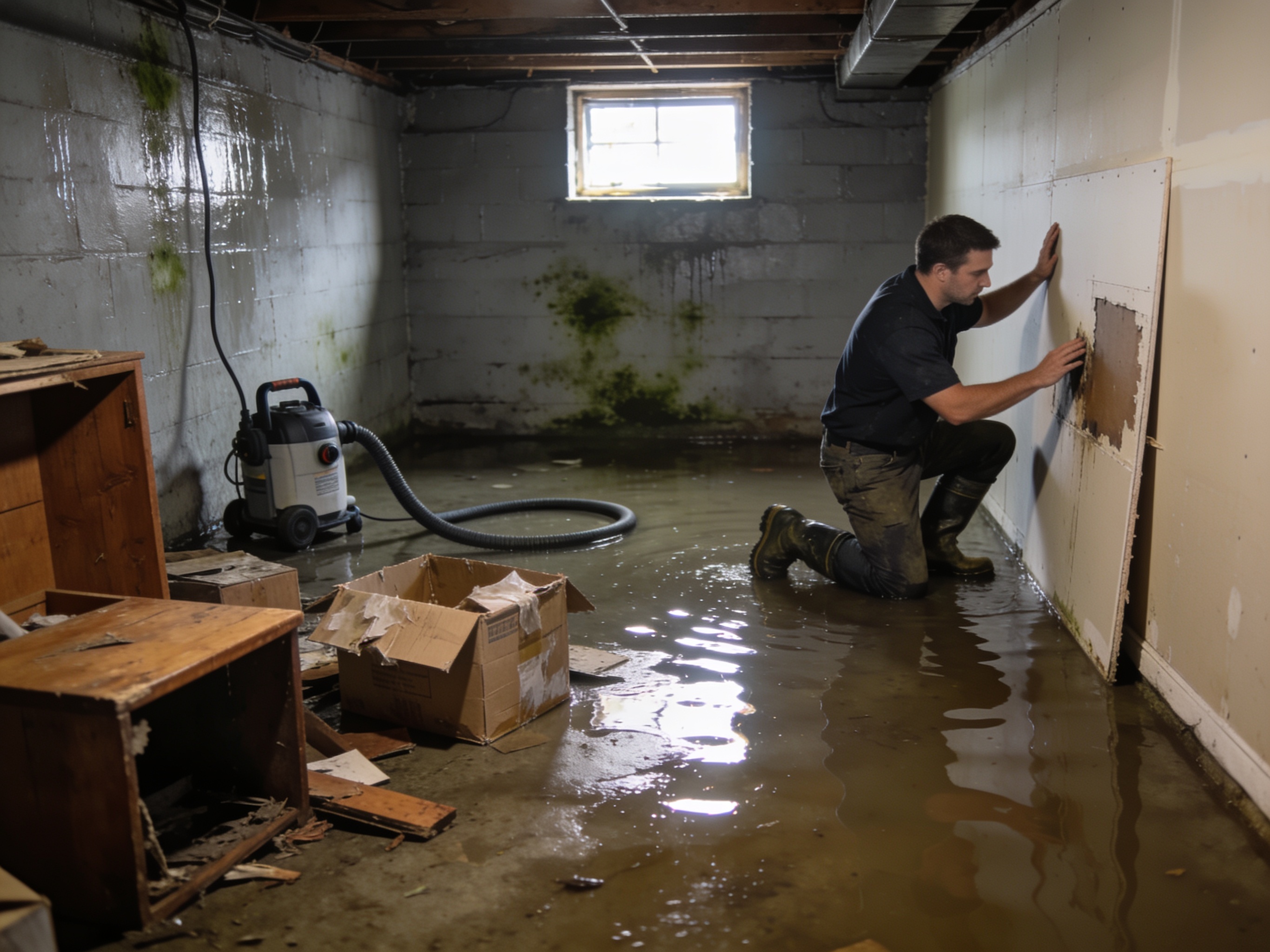
After heavy rain floods a basement in Newark, Delaware, the immediate steps you take can significantly reduce long-term damage and costs. First, prioritize safety: turn off electricity to the flooded area if it's safe to do so, and avoid standing water if power is still active. Next, begin water extraction as quickly as possible, ideally within the first 24–48 hours, to prevent mold growth and further structural damage. This initial response is critical for homes in New Castle County, where the humid subtropical climate with hot summers and cold winters means that moisture can quickly lead to secondary issues like mold if not addressed promptly. Whether you're in Downtown Newark or West Newark, understanding these immediate actions is key to a successful recovery.
Prioritize Safety and Assess the Situation
Your safety is paramount when dealing with a flooded basement. Before anything else, ensure the power is off to the affected area. If you're unsure how to do this safely, contact Delmarva Power immediately. Standing water can conceal electrical hazards, sharp objects, or even contaminants. Once power is confirmed off, carefully assess the extent of the flooding. Is it just a few inches, or is the water deep? What caused the flooding? While heavy rain is the primary suspect, a burst pipe or a failing sump pump could also contribute, especially in older homes around the University of Delaware campus or near White Clay Creek State Park. Documenting the damage with photos and videos from the start will be invaluable for insurance claims.
Rapid Water Extraction and Removal
Once the area is safe, the next critical step is to remove the standing water. The longer water sits, the more damage it causes to your home's structure and contents, and the higher the risk of mold developing. For significant flooding, professional <a href="/services/water-extraction">water extraction</a> services are often necessary. They have powerful pumps and vacuums that can remove water much faster and more thoroughly than typical household equipment. This is particularly important for basements in areas like South Newark, where older foundations might be more susceptible to water intrusion during intense rain events. Fast action here can save thousands in repair costs and prevent irreversible damage to drywall, flooring, and personal belongings.
Drying and Dehumidification
After the bulk of the water is removed, the focus shifts to thorough drying and dehumidification. Simply letting the area air dry is rarely sufficient, especially in New Castle County's humid climate. Professional services utilize industrial-grade air movers and dehumidifiers to pull moisture from the air and materials like wood, drywall, and insulation. This process is essential to prevent warping, cracking, and the growth of mold. Pay close attention to hidden areas like behind baseboards or inside wall cavities, as these can trap moisture. Our article on <a href="/blog/checking-for-hidden-moisture-after-summer-storms-in-newark-attics">Checking For Hidden Moisture After Summer Storms In Newark Attics</a> offers insights into how pervasive moisture can be.
Cleaning and Sanitizing Affected Areas
Even after drying, a flooded basement requires thorough cleaning and sanitizing. Floodwater, especially from heavy rains, can carry contaminants from the ground, sewers, or overflowing creeks like those near the Newark Reservoir. All porous materials that have been in contact with floodwater for an extended period, such as carpets, upholstered furniture, and drywall, should generally be removed and discarded. Hard surfaces like concrete floors and non-porous walls should be cleaned with an antimicrobial solution. This step is crucial for preventing bacterial growth and eliminating odors, ensuring a healthy environment for your home. Proper <a href="/services/basement-flood-cleanup">basement flood cleanup</a> ensures all traces of contaminants are removed.
Preventing Future Basement Floods
Once your basement is restored, take proactive steps to prevent future flooding. This includes regularly checking your sump pump (consider a battery backup), ensuring your gutters and downspouts are clear and extend at least 6 feet away from your foundation, and grading your landscape away from your home. For homes in low-lying areas or older sections of Newark, like those near the Bob Carpenter Center, consider having your foundation inspected for cracks or weaknesses. Installing a backwater valve can also prevent sewage backup during heavy rain events. These preventative measures are an investment in the longevity and safety of your home, especially given the intense rainfalls our region experiences.